The Cartoon Font: A Playful Asset for Modern Design
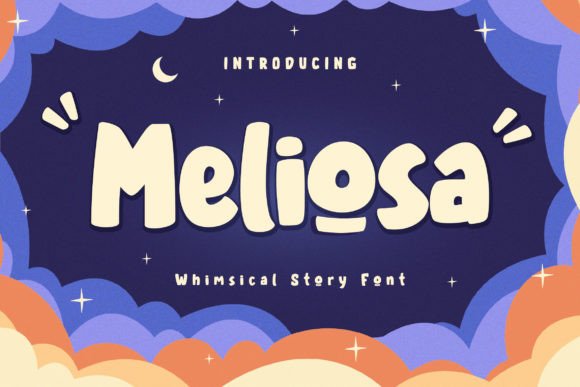
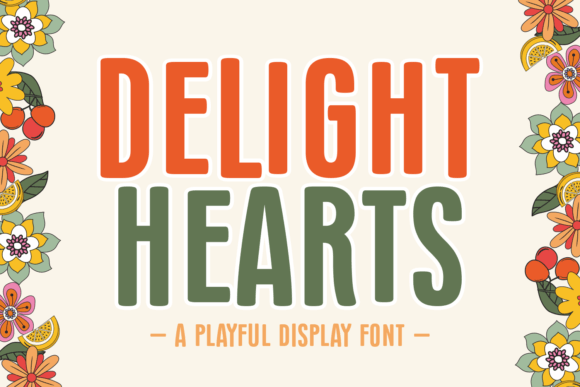
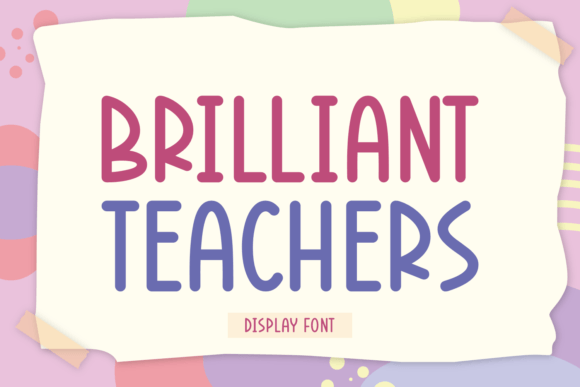
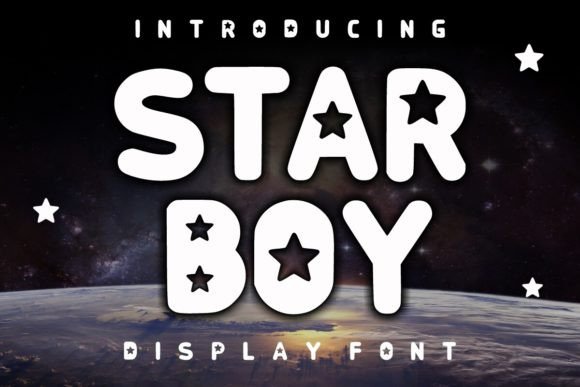
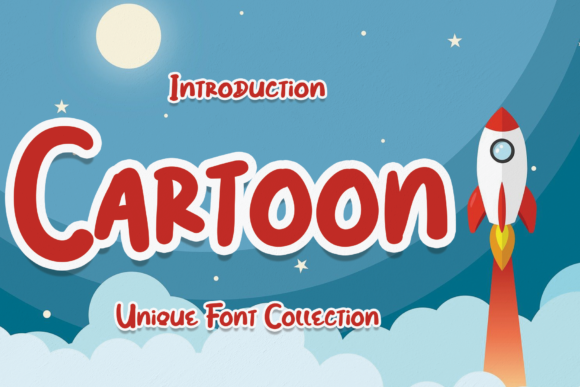
In the crowded landscape of digital and print media, a single typeface can instantly set a tone, evoke an emotion, and define a brand's personality. For projects demanding a touch of whimsy and approachability, the Cartoon font emerges as a standout choice. This cute, jolly, and paint-brushed display font is engineered to inject life and warmth into any visual composition, making it an indispensable tool for a wide array of creative applications.
Understanding the Role of Display Typography
Typography is a cornerstone of effective graphic design and visual communication. While body text prioritizes readability, display fonts like Cartoon are crafted for impact. They serve as the visual voice of a headline, logo, or call-to-action, immediately conveying a brand's character. Choosing the right display typeface is a critical decision in brand identity development, as it influences first impressions and sets the stage for the entire user experience. A font like Cartoon, with its inherent cheerfulness, communicates innovation, fun, and creativity without a single word of copy.
Practical Applications Across Creative Projects
The versatility of the Cartoon font allows it to enhance numerous design contexts. Its playful aesthetic is not a limitation but a focused strength that can be leveraged for specific goals.
- Branding and Logo Design: Ideal for brands targeting children, families, or creative industries. It helps build a friendly and memorable brand identity that stands out from corporate austerity.
- Marketing and Social Media Graphics: Perfect for creating eye-catching social media posts, event flyers, and digital ads that demand attention and encourage engagement.
- Packaging and Product Design: Enhances shelf appeal for toys, snacks, crafts, and any consumer product where a joyful unboxing experience is part of the value proposition.
- Web and UI Design: Can be used strategically for buttons, banners, and hero sections on websites aimed at younger audiences or creative communities, improving visual hierarchy and user delight.
- Editorial and Presentation Design: Brings energy to magazine headlines, children's book titles, or presentation slides, making content more digestible and engaging.
Integrating Cartoon into Your Design Workflow
Effective use of a specialty font requires more than just installation. To maximize its impact and maintain a professional presentation, consider these practical tips:
- Prioritize Context and Audience: Align the font's personality with your project's goals and target demographic. Cartoon excels in contexts where warmth and playfulness are assets.
- Ensure Readability and Scalability: Test the font at various sizes. Its painted texture should remain clear in headlines but may not be suitable for long paragraphs of body text.
- Build a Cohesive Color Palette: Pair Cartoon with colors that complement its cheerful nature. Bright, saturated hues or soft pastels often work beautifully to create a harmonious and vibrant design system.
- Balance with Simpler Elements: To avoid visual clutter, combine this expressive font with clean sans-serif fonts for supporting text. This creates a clear visual hierarchy and ensures the design remains polished.
- Check Licensing and Compatibility: Always verify the font's license for your intended use, whether for personal projects, commercial client work, or merchandise. Ensure it integrates smoothly with your design software.
Ultimately, the strength of any creative asset lies in its thoughtful application. The Cartoon font is more than just a collection of whimsical letters; it is a strategic tool for visual storytelling. By understanding its characteristics and applying it with intention, designers, marketers, and creators can significantly elevate their work, transforming ordinary designs into memorable experiences that resonate with audiences and strengthen brand communication. Investing in quality typography is investing in the clarity and impact of your message.